Refurbished Phones for Business That Work Hard
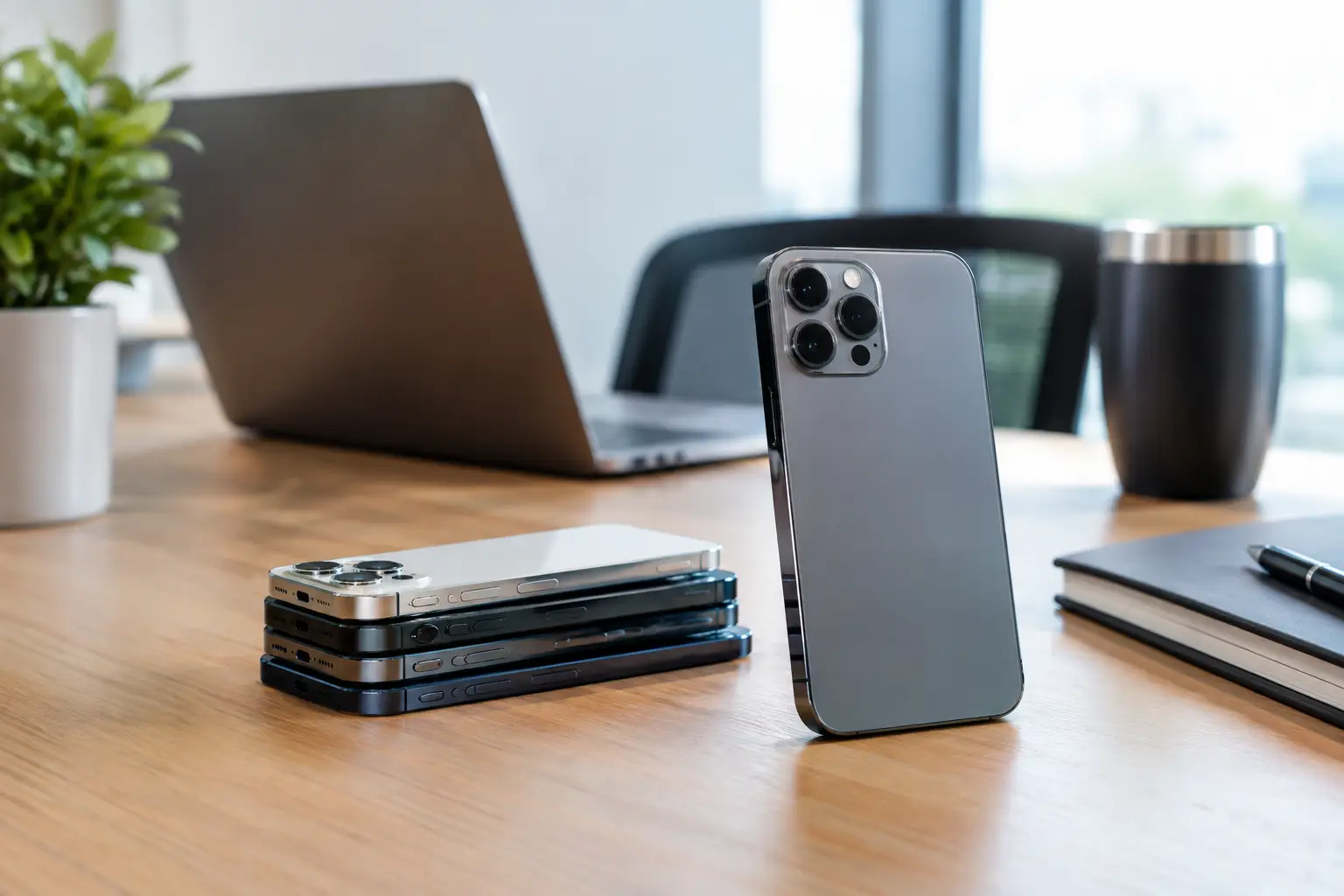
A 150-person mobile estate can become expensive long before a handset stops being useful. Contract renewals, accidental damage, new-starter provisioning and uneven replacement cycles all add cost and admin. Refurbished phones for business offer a practical alternative when they are selected, processed and deployed with the same discipline as any other managed IT hardware.
The key distinction is between a used handset and a professionally refurbished device. A used phone may be functional at the point of sale. A business-ready phone should be assessed for hardware condition, battery performance, identity status, data security and compatibility with the organisation’s management tools. That difference determines whether lower purchase costs create value or simply move risk into the IT team.
Why refurbished phones for business suit managed estates
The strongest case is rarely just the unit price. Refurbished devices can help organisations control capital spend, extend a standard device platform and reduce the environmental impact of frequent upgrades. For schools, charities, field teams and businesses with predictable mobile requirements, a well-chosen previous-generation model can meet everyday needs without paying for features that will not be used.
A two- or three-generation-old flagship handset may still offer capable cameras, fast processors, secure biometric sign-in and sufficient storage for business apps. If it supports the required operating system version and mobile device management platform, it can remain a sensible fleet option.
This approach also supports a more circular IT model. Keeping suitable devices in service reduces demand for newly manufactured equipment and helps prevent usable technology from becoming e-waste prematurely. That benefit matters, but it should follow good procurement practice rather than replace it. Sustainability claims have limited value if the devices arrive with inconsistent batteries, unclear ownership history or no support route.
The real cost is the lifecycle cost
The lowest handset price is not automatically the lowest cost. IT teams should include setup time, protective cases, replacements, warranty handling, mobile device management licences and the cost of supporting several models in the same estate. A slightly more expensive refurbished model can be the better purchase if it standardises charging accessories, stays within supported software life and reduces support calls.
Standardisation also improves deployment. The fewer device profiles, operating system variations and accessory types a team has to manage, the easier it is to enrol, secure and replace handsets at scale. This is particularly relevant for remote workers who cannot bring a faulty phone to a central IT desk.
What professional phone refurbishment should cover
Refurbishment is a controlled process, not a cosmetic promise. The precise test procedure will vary by device and supplier, but business buyers should expect a documented assessment of the functions that affect daily use and managed deployment.
That includes screen condition and touch response, cameras, microphones, speakers, buttons, ports, wireless connectivity, charging, biometric sensors and network performance. Battery health deserves particular attention. A handset with reduced battery capacity may still be usable, but it may not be suitable for a field-based employee, a safeguarding role or any user who relies on the device throughout a long shift.
Software and identity checks are equally important. Apple devices must be clear of Activation Lock. Android devices must not be restricted by Factory Reset Protection. Devices should have clean identifiers and be suitable for enrolment into the organisation’s chosen management environment. A phone that cannot be enrolled, updated or reset properly is not a deployable business asset.
For larger orders, agree acceptance criteria before stock is allocated. This should cover at least:
- the exact model, storage capacity, network status and permitted colour range;
- minimum battery-health requirements or a clear battery condition policy;
- the cosmetic grade expected for each user group;
- operating system version and remaining support expectations;
- warranty terms, returns handling and replacement timescales.
Grade is worth clarifying. Cosmetic grading describes appearance, not necessarily technical condition. A handset with light marks may be entirely suitable for an employee who uses a protective case, while customer-facing staff may need a higher cosmetic grade. Define the requirement by role rather than paying for presentation standards that do not add operational value.
Security starts before deployment
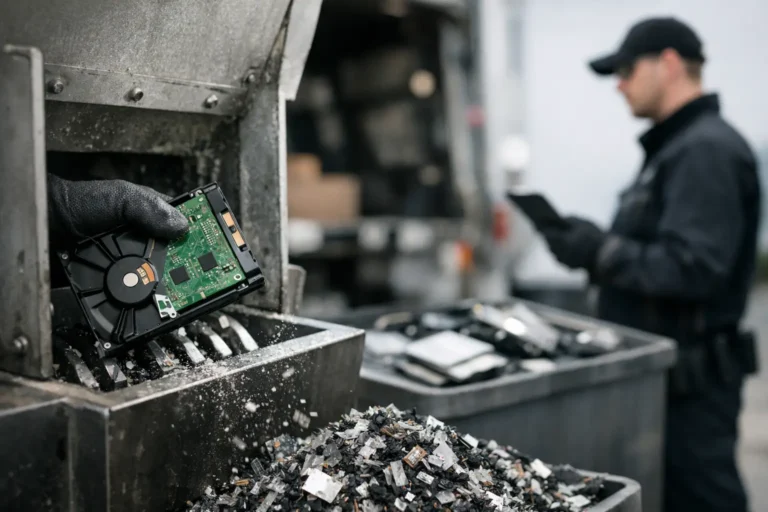
A factory reset alone is not a complete business security process. Organisations retiring phones need a documented route for data erasure, chain of custody and asset records before devices enter resale or refurbishment channels. This is where IT asset disposition matters: devices should be tracked from collection through data sanitisation, testing and final outcome.
For incoming refurbished stock, procurement should ask how devices are screened for locks, account associations and stolen-device indicators. The supplier should be able to explain its testing, data-handling and quality-control process in clear terms. Vague assurances are not enough when the devices will hold company email, authentication apps, customer information or access credentials.
Once received, phones should be enrolled in mobile device management before being issued. Apply encryption, screen-lock rules, operating system update policies and a defined process for lost or damaged devices. Restricting personal app installation may be appropriate for some roles, but it depends on the organisation’s risk profile and whether the handset is fully corporate-owned or part of a bring-your-own-device policy.
A managed handset is also an identity device. It may hold passkeys, multi-factor authentication tools and recovery methods for critical systems. Offboarding procedures should therefore remove access and wipe devices promptly, not wait until the next scheduled hardware refresh.
Choose models around support, not fashion
Model selection should begin with the applications employees actually use. A sales team relying on video calls, CRM apps and mobile photography has different requirements from a warehouse team using scanning software or a school issuing devices for communication. Storage, battery endurance, camera capability, screen size and cellular support should be considered against the role.
Software support is the deciding factor for many refurbished purchases. Check that the proposed iPhone or Android model can run the required operating system and that it is likely to receive security updates for the intended ownership period. Buying a cheaper device near the end of its supported life can create a false economy, particularly where company policy or client requirements demand current security patches.
Compatibility with existing accessories also matters. A move between connector types, charging standards or cases can add hidden cost across a fleet. Where possible, test a small sample with core business apps, management profiles, eSIM arrangements and charging equipment before committing to a bulk order.
Build refurbishment into the procurement plan
Refurbished mobile procurement works best when it is planned, not treated as a last-minute response to a broken device. Set a replacement profile by job role, define approved models and retain a small pool of configured spares. This gives IT teams a controlled response when a device fails and avoids emergency purchases from inconsistent sources.
For bulk requirements, stock availability can vary by model, grade and storage configuration. Flexibility can help. Accepting two approved models rather than one, or allowing a narrow range of colours, often improves availability without affecting the user experience. The trade-off is that every additional model adds testing and support overhead, so the approved range should remain purposeful.
Keep asset records current from the moment devices arrive. Record serial numbers or IMEIs, assigned user, condition, battery status where available, warranty end date and eventual return date. These records make audits easier, improve recovery rates and give the organisation clearer evidence when planning its next refresh.
The most useful question is not whether a phone is new or refurbished. It is whether it is secure, supportable and right for the role. Start with that requirement, then make the device lifecycle work around it.