Are Refurbished iPhones Worth It?
Paying flagship money for a phone that will spend most of its life in a case does not make sense for every buyer. That is why the question, are refurbished iPhones worth it, keeps coming up. For many people and organisations in the UK, the answer is yes – but only when the refurbishment standard, battery condition and seller accountability are clear.
Are refurbished iPhones worth it for UK buyers?
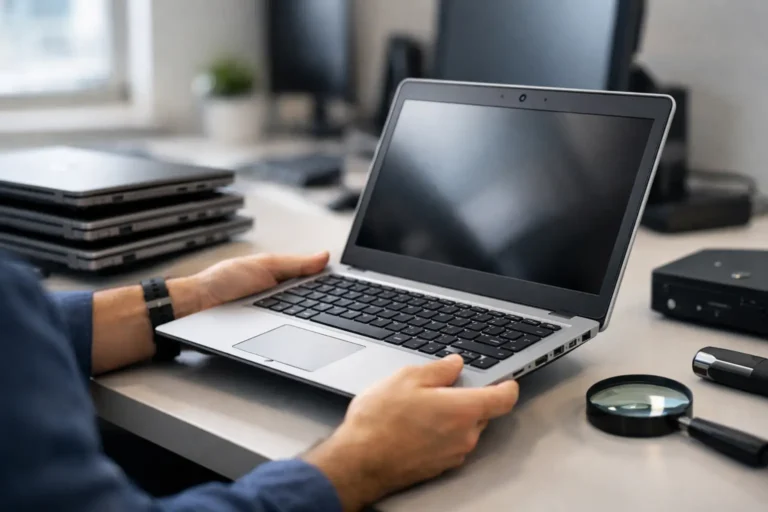
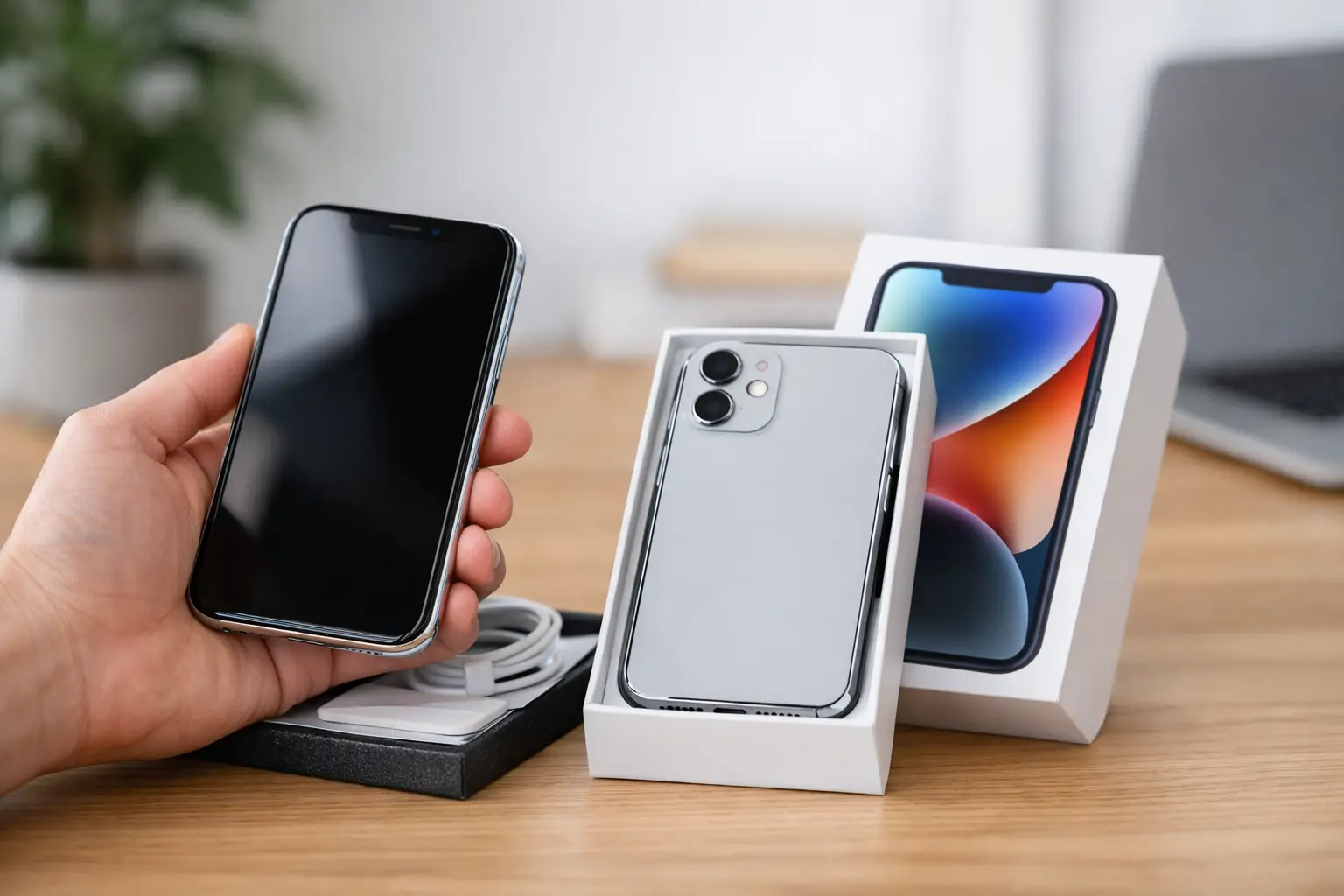
A refurbished iPhone sits in the space between used and new. It is not simply second-hand stock moved on without checks. A proper refurbishment process should include device diagnostics, part replacement where needed, cleaning, testing, data wiping and grading. That process is what creates value.
If you buy well, you can reduce purchase cost significantly while still getting a device with strong day-to-day performance. That matters because Apple devices tend to hold up well over time. An iPhone that is two or even three generations old can still run current apps smoothly, support iOS updates, and handle business use without issue.
The catch is straightforward. Refurbished quality is not consistent across the market. One supplier may run a controlled process with documented checks and clear grading. Another may simply test that the phone switches on, wipe it and list it. The difference between those two approaches is the difference between a sound purchase and a false economy.
What makes a refurbished iPhone worth buying?
Value is not just about a lower price. A refurbished iPhone is worth buying when the gap between cost and performance is large enough to justify not buying new.
For most buyers, that equation starts with lifespan. If a refurbished iPhone gives you another two to four years of reliable use at a noticeably lower cost, it is doing its job. That is especially true for schools, businesses and families buying multiple devices, where the savings are multiplied across a fleet rather than felt on a single handset.
There is also a sustainability case, but it only counts if the device is actually reliable enough to stay in use. Extending the life of existing hardware reduces waste and lowers demand for new manufacturing. That benefit is real. It just should not be used to gloss over poor refurbishment practice.
A worthwhile refurbished iPhone should offer four things: verified function, acceptable battery health, clear cosmetic grading and some form of warranty or returns support. Miss one of those, and the low upfront price starts to look less attractive.
Battery health is usually the deciding factor
Most complaints about refurbished iPhones come back to battery life. Screens can be scratched and still function. Casings can show wear and still be structurally sound. A weak battery, however, affects the device every day.
For many buyers, battery health is the practical line between good value and ongoing frustration. If a phone arrives with poor battery capacity, the lower purchase price can quickly be offset by inconvenience or replacement cost. A reputable refurbisher should be clear about battery condition, minimum thresholds or whether the battery has been replaced.
That matters even more in business settings. A device fleet with inconsistent battery performance creates support noise, user complaints and unnecessary downtime.
Model year matters less than condition
Buyers often focus too heavily on generation. In practice, a well-refurbished older model can be a better purchase than a newer device with a weaker battery, poor previous repair history or unclear testing.
An iPhone 12 in controlled refurbished condition may be a smarter buy than an iPhone 13 sold with vague grading and limited accountability. The right choice depends on condition, support life, battery status and use case, not just the number in the name.
When refurbished iPhones are not worth it
There are cases where buying refurbished is the wrong call.
If the discount is marginal, buying new may make more sense. A small saving is not always enough to justify shorter remaining battery life, older hardware or reduced manufacturer support. This is particularly true if you plan to keep the device for many years.
They are also less compelling if the refurbishment process is unclear. Phrases like fully tested or excellent condition do not mean much on their own. Without detail on diagnostics, parts, battery and warranty, you are relying on marketing language rather than process.
Another weak point is poor parts quality. Some refurbished devices have had third-party components fitted that affect display quality, touch response, camera performance or battery behaviour. That does not automatically make them unusable, but it can reduce the overall value of the device. Transparency matters here. Buyers should know what has been replaced and to what standard.
Finally, refurbished may not be worth it for users with very specific performance demands. If you need the latest camera features, heavy video processing, or maximum future software support, a current-generation model may be the better long-term investment.
How to assess whether a refurbished iPhone is worth it
The best approach is to treat the purchase like a technical procurement decision, not an impulse buy. Start with the seller, then the device, then the price.
Look for evidence of a defined refurbishment process. That should include functional testing, IMEI checks, data wiping, battery assessment and grading criteria. If the seller cannot explain how devices are processed, that is a warning sign.
Next, check battery policy. Some sellers provide a percentage threshold. Others replace batteries below a certain level. Either approach can work, but vague wording should be challenged.
Then review grading. Cosmetic grading should describe appearance only, not hide functional limitations. A Grade B device with surface wear can still be a very strong buy if the internal condition is sound.
Warranty and returns support are the final checks. Refurbished devices carry lower cost partly because they are not new, but that should not mean zero accountability after delivery. A sensible warranty period reduces risk and signals that the seller stands behind the process.
Are refurbished iPhones worth it for businesses and schools?
In many cases, yes – especially where budget control and device turnover matter.
For organisations managing multiple handsets, refurbished iPhones can reduce capital spend without forcing users onto unreliable hardware. They also make redeployment easier. A standardised batch of refurbished devices can support onboarding, replacement cycles and temporary allocation far more efficiently than ad hoc used purchases.
The key is consistency. One professionally restored device can be excellent. Fifty devices with mixed battery health, inconsistent grading and undocumented repairs create support overhead. That is why process matters more in volume environments than it does for one-off consumer purchases.
This is also where a coordinated service model becomes useful. Refurb X Connect, for example, is built around linking sourcing, restoration and redeployment so that customers are not managing separate suppliers for recovery, testing and onward use. For businesses and institutions, that joined-up approach often matters as much as the handset price.
Common myths about refurbished iPhones
One myth is that refurbished means unreliable. In reality, an untested used phone is usually the riskier purchase. Proper refurbishment exists to reduce unknowns.
Another is that only nearly-new models are worth considering. Older iPhones can still deliver very good value if they remain within Apple’s software support window and have been restored properly.
There is also confusion around cosmetic grade. Buyers sometimes avoid anything less than pristine appearance, even when the marks are minor and the saving is meaningful. If the phone is going into a case and being used for work, perfect cosmetics may not be worth paying extra for.
The real answer: it depends on the standard, not the label
Refurbished is not a quality guarantee on its own. It is a category. What matters is how the device was sourced, checked, repaired, graded and supported after sale.
That is why the question should not only be are refurbished iPhones worth it. A better question is: worth it from whom, at what grade, with what battery condition, and for which use case?
For a student, a parent, a startup equipping staff, or an IT team managing refresh cycles, the right refurbished iPhone can be a very efficient purchase. For someone chasing the newest features or buying from an unverified seller purely on price, it may not be.
A lower price only becomes real value when the device arrives ready for reliable use. If the process behind it is clear, the numbers often make sense. If the process is vague, keep looking.